Five signals worth knowing
23 Oct
Lead time
Each badge shows how many days ahead of mainstream coverage this signal is. We measure from publication date to first major outlet pick-up. Methodology →
.jpg)
01
Gucci revenue fell 6% from July to September, and Kering's sales dropped 1%.
The biggest name in a portfolio is no longer carrying the group, which changes every conversation about brand architecture.
When a portfolio's largest earner underperforms, the other houses get more autonomy and more...
What this means for your brief · £99/yr →Brand & Business
1d ahead

02
Canva's first AI image model plans a design before generating the picture.
A tool used by 200 million non-designers now competes directly with OpenAI and Adobe on image quality and brand consistency.
Canva Craft means the gap between professional design output and amateur output narrows further....
What this means for your brief · £99/yr →Tech & Digital
3d ahead
03
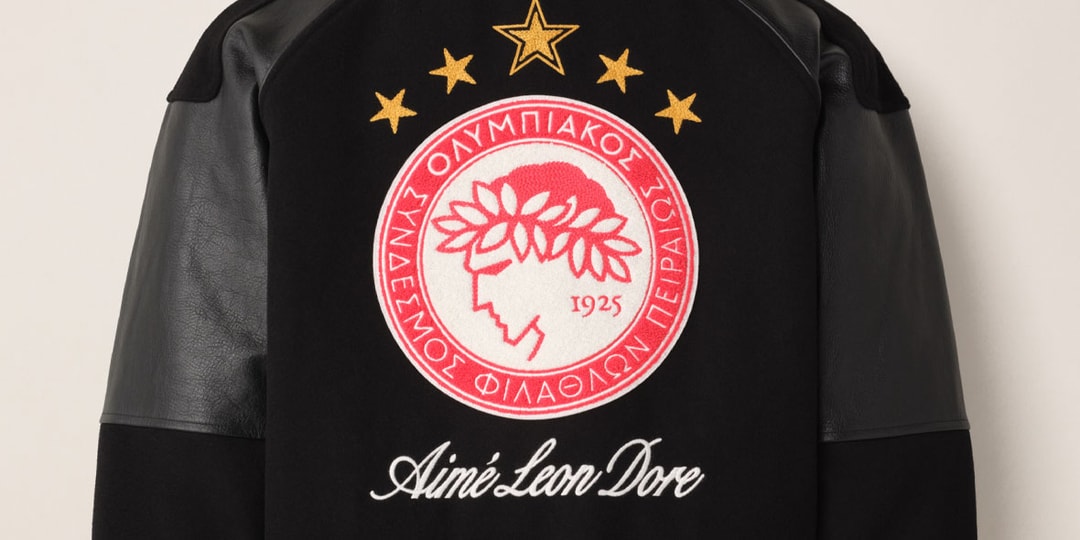
Aimé Leon Dore unveils a second clothing collection with Olympiacos.
The second drop confirms this is a structured partnership, not a one-off. European football clubs are becoming credible creative collaborators, not just licensing targets.
A second capsule means ALD is treating Olympiacos as a genuine brand partner. Other clubs watching this will start pitching streetwear labels rather than waiting to be found.
via Hypebeast
Fashion & Style
7d ahead
04
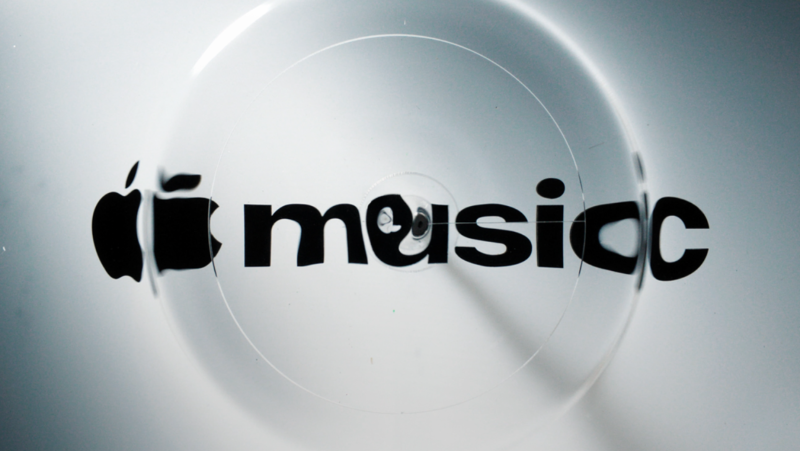
Apple Music made its new visual identity from sound waves in mineral oil.
A brand with effectively infinite production budget chose a physics experiment as its logo origin story. That says something about where premium credibility is pointing.
Making the method visible is now the brand statement. Apple Music signals that earned...
What this means for your brief · £99/yr →Culture & Ideas
7d ahead
05
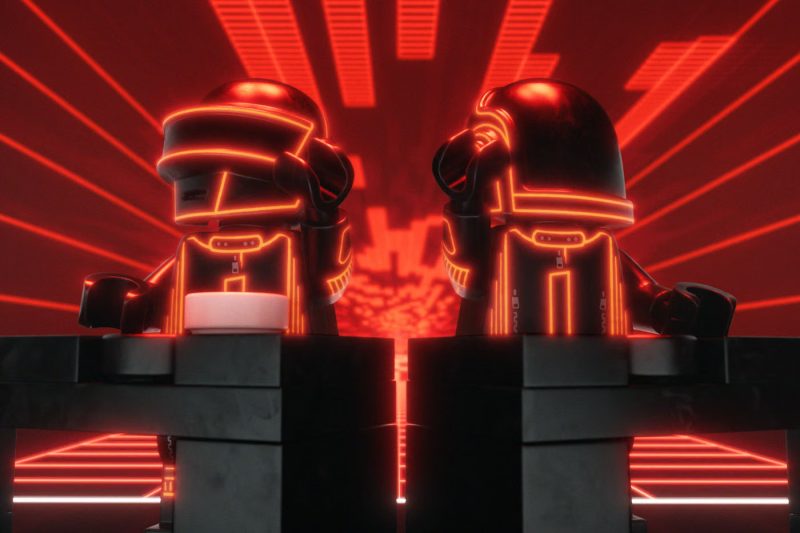
LEGO is developing a fan's Daft Punk set based on the duo's pyramid stage.
The set comes from the community, not the corporate IP desk. LEGO's crowd-sourced model keeps producing culturally precise products that a trend committee would never greenlight.
LEGO Ideas continues to outperform internal development on cultural fit. Brands with large...
What this means for your brief · £99/yr →Brand & Business
7d ahead